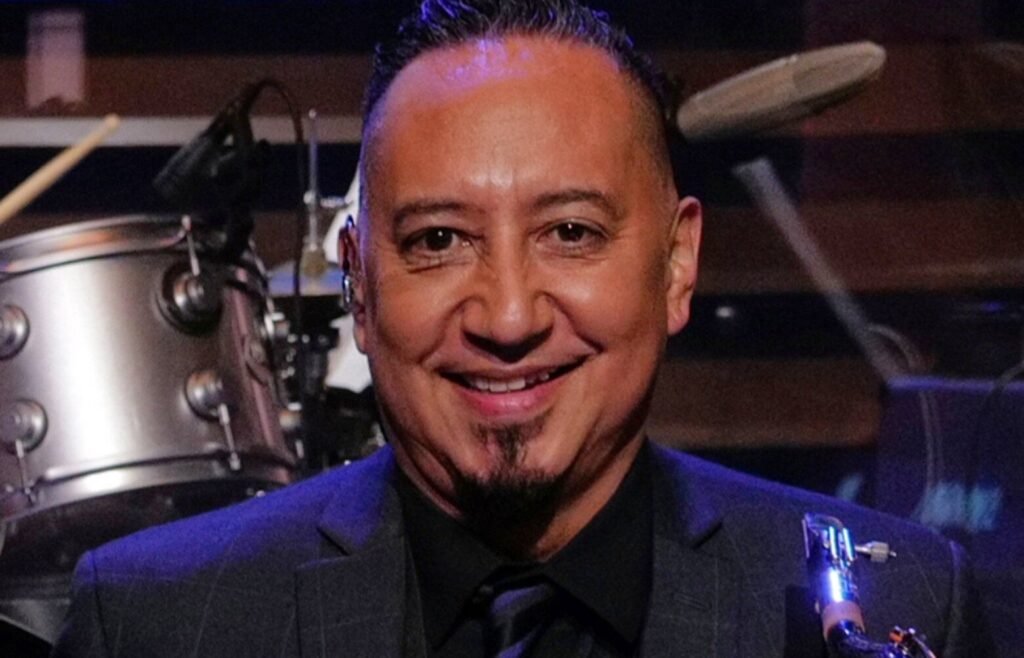

The question “how did Cleto Escobedo die” is on many lips today, as the entertainment world mourns the unexpected loss of the beloved bandleader. On Tuesday, November 11, 2025, the long‑time leader of the house band on Jimmy Kimmel Live! passed away at the age of 59. While precise details remain limited, substantial reporting indicates his death resulted from complications following a liver transplant—a poignant end to a musical life that touched late‑night television for more than two decades.
A Sudden Farewell
Cleto Escobedo III’s death came as a shock to many. His friend and longtime collaborator, host Jimmy Kimmel, announced the news during his show and on social media, saying: “To say that we are heart‑broken is an understatement.” While Kimmel did not publicly disclose a detailed cause of death, sources close to the situation indicate that Escobedo had been dealing with severe health issues tied to a previous liver transplant, and that complications from that surgery were likely the root of his passing.
In his emotional tribute, Kimmel revealed that Escobedo had been in hospital care for several months, and thanked the medical staff at multiple institutions for their “incredible care.” Escobedo’s long absence from the show had already sparked speculation among fans, and now the full weight of the circumstances is surfacing.
Career That Resonated
To understand the impact of how Cleto Escobedo died is to appreciate how deeply he was woven into the fabric of late‑night television. Escobedo led the band Cleto and the Cletones since the debut of Jimmy Kimmel Live! in 2003, having already built a notable career as a saxophonist and touring musician with major artists. His friendship with Kimmel dated back to childhood in Las Vegas—they lived across the street from each other—and that longstanding bond became a professional partnership, with Escobedo at the musical helm of one of the most‑watched late‑night programs in the U.S.
When discussing how Cleto Escobedo died, it becomes clear that his health had been an open yet understated chapter. He had remained active and dedicated to his work even as medical issues grew more serious, showing the kind of professionalism and resilience that earned him respect across the entertainment industry. His passing invites reflection on the often‑hidden toll that a lifetime of performance and touring can take.
Medical Context & Industry Implications
Although exact medical records are private, the reported cause for how Cleto Escobedo died—post‑transplant complications—raises important industry and human‑interest questions:
- Transplant Survivor Risks: A liver transplant is a major, life‑sustaining surgery. Patients often face lifelong medication, vulnerability to infection, and potential organ rejection. The fact that Escobedo reportedly faced complications underscores how even successful transplants carry serious long‑term risks.
- Musician Lifestyle & Health: Musicians known for touring, late hours and rigorous performance schedules may be more exposed to health stressors. Escobedo’s situation highlights how high‑intensity careers can intersect with underlying medical vulnerabilities.
- Work Continuity Despite Illness: Escobedo’s decision to continue working on the show through his illness reflects professional dedication—but also raises questions about the health supports in entertainment industries for individuals managing serious conditions. How did the show and his team accommodate his care and what lessons can others draw?
The Immediate Aftermath
The show announced that they would take a brief hiatus—two nights off were declared—to enable staff and audience alike to process the loss. In his monologue, Kimmel not only revealed how Cleto Escobedo died, but shared childhood stories that underscore the depth of their relationship. Viewers witnessed an emotional moment of connection and grief uncommon in typical late‑night fare.
Tributes flooded in from colleagues, musicians and viewers alike. The outpouring speaks to Escobedo’s impact—not just as a bandleader on television, but as a friend, father, son and artist. His death is being seen as a loss to music, to late‑night culture and to the human bonds forged behind the scenes.
Looking Back and Forward
How Cleto Escobedo died will remain partially private—but the public legacy he left offers enduring insight. For younger musicians, his career provides a template of talent, perseverance and adaptability. For television professionals, his role illustrates how a house band can become an integral part of a show’s identity.
Moreover, Escobedo’s passing invites renewed attention to health advocacy within the entertainment industry: the importance of transplant resources, the support systems for performers with chronic conditions, and the need for open discussion about wellness—even in worlds defined by performance and endurance.
In terms of legacy, Escobedo’s voice will continue to echo through the saxophone solos on Jimmy Kimmel Live!, through the nightly rhythms of late‑night TV, and in the personal memories of those who knew him best. His story reminds us that behind every performance is a human life, with vulnerabilities, friendships and a finite timeline.
Final Thoughts
“How did Cleto Escobedo die” may be a sobering question, but the answer takes us beyond mere cause—it leads into a story of friendship, artistry, endurance and ultimately, mortality. Escobedo’s death from complications following a liver transplant is tragic, but his life was luminous: a Las Vegas childhood bond turned professional legacy, a saxophonist turned television fixture, a man who brought joy through music even as he battled illness.
As the entertainment world pauses to remember him, the conversation shifts from loss to legacy. The nights ahead may be quieter without his saxophone, but his impact remains strong. For those who watched him from the studio to the screen, Cleto Escobedo’s life—and the way he died—serves as a potent reminder: good craftsmanship, genuine friendship and a love of performance are worth celebrating.
Credit: PopScopeNow.com — 13 November 2025