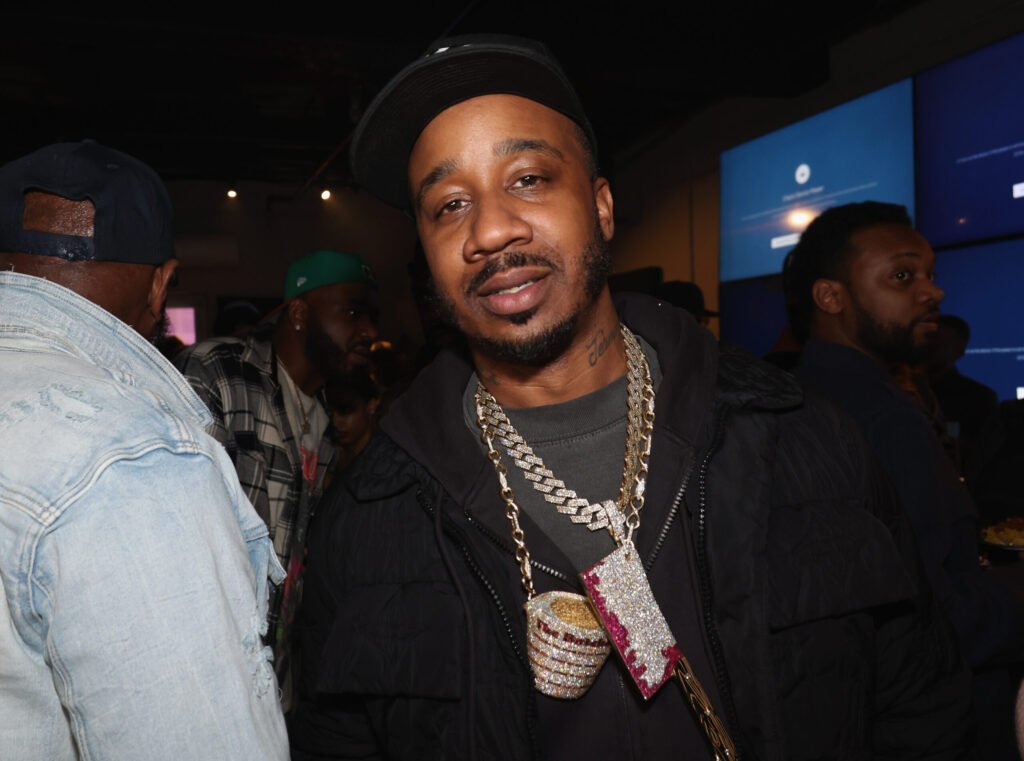

In a startling turn of events, Baton Rouge rapper Young Bleed is currently hospitalized and fighting for his life in the intensive care unit following what sources indicate was a brain aneurysm on October 25—just days after his performance at the much-anticipated Cash Money vs No Limit Verzuz.
The artist’s family has issued a plea for privacy and clarity, after false reports claiming his death spread rapidly across social media.
The Sequence of Events: From Stage to Hospital
Young Bleed took the stage at the Verzuz event during the weekend and delivered a spirited performance, reminding fans of his legacy in Southern hip-hop.
Shortly thereafter, he reportedly suffered a major medical emergency. Hospital sources say he was admitted to the ICU with a brain aneurysm.
In the wake of the news, misinformation began to circulate—several posts prematurely declared him deceased. His sister publicly corrected the record, stating he remains alive but in extremely serious condition, and asked supporters to refrain from posting “RIP” messages or contacting the family excessively.
The Artist Behind the Headlines
Born Glenn Clifton Jr., Young Bleed has long been a prominent voice in Louisiana’s rap community. He first gained national attention in the late 1990s for his work with No Limit Records and the hit track “How Ya Do Dat.” Over the decades, he has released multiple albums and maintained a dedicated regional following.
His sudden medical crisis comes amid a cultural moment that was meant to honor veteran artists—making the timing all the more dramatic and emotionally charged.
Consequences and Cultural Ripples
For Young Bleed’s health and career:
- The aneurysm and ICU stay pose serious questions about his long-term recovery, potential neurological impacts, and ability to return to the stage.
- Friends and collaborators in the hip-hop community have rallied to offer support, suggesting the seriousness of the situation is widely acknowledged.
For the broader hip-hop ecosystem:
- The incident spotlights the intense physical and emotional toll placed on legacy artists performing high-profile live events.
- It has renewed attention on artist wellness, tour scheduling demands, and the after-effects of sustaining a music career over decades.
For fans and community culture:
- The wave of false death reports is a stark example of how quickly misinformation can spread online, especially in emotive moments.
- The family’s request for privacy underscores a tension between public interest and personal dignity in celebrity health crises.
What to Watch in the Coming Days
- Medical updates: Friends and representatives have indicated that the next 48-72 hours will be critical for Young Bleed’s stabilization and trajectory toward recovery.
- Statements from peers: High-profile figures in hip-hop may issue tributes or support messages, which will help clarify the cultural response.
- Fan-driven vigils or campaigns: Given his legacy, there may be social-media-led solidarity actions, fundraising, or retrospective attention to his catalog.
- Future career implications: If Young Bleed recovers, how will this affect his touring, recording plans, public appearances and role within the genre moving forward?
Final Thought: A Legacy in Limbo, A Community in Prayer
Young Bleed’s sudden health emergency serves as a poignant reminder that behind the music and performance there remains a human story—vulnerability, resilience, legacy. As one of Louisiana’s hip-hop standard-bearers fights for his life, the response from fans, peers and the industry may well reshape how we think about artist wellness and legacy in music.
Credit: PopScopeNow Music Desk – October 29, 2025