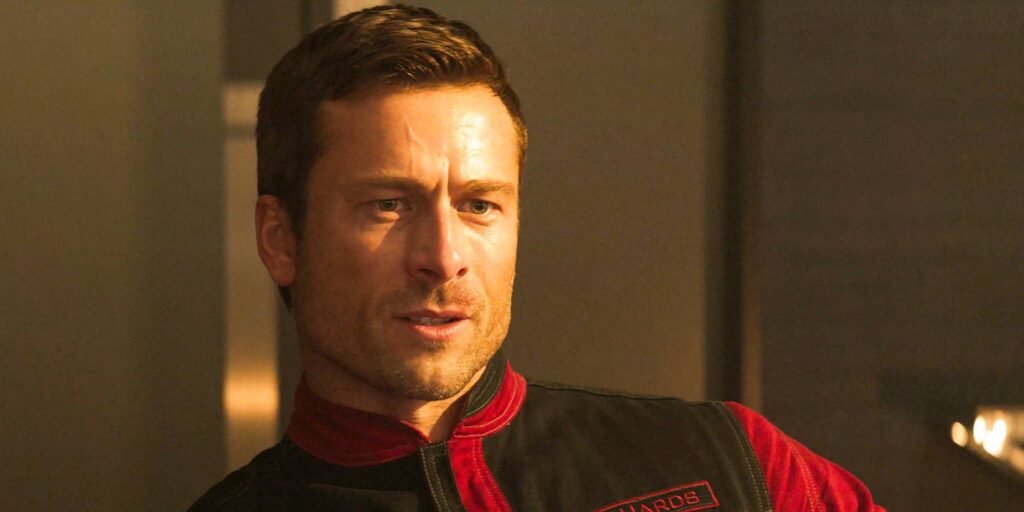

The film “The Running Man” is dominating headlines today thanks to its electrifying London premiere and blockbuster ambitions, proving that this revival of a classic dystopian tale is striking a nerve with both critics and audiences. With its official U.S. release scheduled for November 14, 2025, the buzz around “The Running Man” has accelerated sharply—marked by standout early reactions, a high‑stakes production budget and a top‑tier creative team pushing the boundaries of the genre.
A Revival Rich in Vision and Scale
“The Running Man” marks a bold reimagining of the 1982 novel by Stephen King (writing as Richard Bachman) and follows the 1987 film adaptation starring Arnold Schwarzenegger. The new version—directed by Edgar Wright and starring Glen Powell—takes a fresh approach to the core premise: a desperate man enters a deadly televised competition to save his family, only to become a massive threat to the system itself.
Production details reveal that “The Running Man” had a budget of approximately $110 million, making it one of Wright’s most ambitious projects to date. The London premiere delivered overwhelmingly positive early response, with critics highlighting the film’s pace, cinematography and thematic weight—especially its commentary on surveillance culture and televised spectacle.
Why the Timing Matters
The current momentum behind “The Running Man” stems from several converging factors:
- Cultural responsiveness: In an era obsessed with reality TV, live streaming and spectacle, the film’s theme—contestants hunted on live broadcast—feels deeply timely.
- Legacy meets freshness: By adapting King’s original vision more faithfully, the film differentiates itself from the 1987 version—and by doing so, it attracts both nostalgic viewers and new audiences.
- Star power and credibility: With Wright at the helm and Powell emerging as its lead, “The Running Man” gains credibility as a high‑profile action piece—not just a remake for remakes’ sake.
- Strategic release window: Premiering just ahead of major holiday releases gives “The Running Man” a chance to stake its claim before the seasonal overflow. Early indicators suggest strong presales in key markets.
Deep Dive: What Makes “The Running Man” Different
Unlike its predecessor, this new adaptation brings several enhancements:
- Scale and setting: With 170+ locations used during filming, the scope of the run, the chase sequences and the arena of the game show are expanded dramatically.
- Thematic depth: While the original leaned heavily into Arnold’s star power and spectacle, this version doubles down on commentary—portraying how society consumes violence and how power structures manipulate media.
- Character focus: Glen Powell’s Ben Richards is portrayed as more vulnerable and human—an everyman forced into extraordinary circumstances—whereas the 1987 version emphasized larger‑than‑life heroics.
- Modern production values: From practical stunts to cutting‑edge editing, “The Running Man” delivers with cinematic flair uncommon for the remake category.
Box Office Prospects & Critical Outlook
Early reviews suggest “The Running Man” will be a win for critics—especially those previously skeptical about Wright’s ability to deliver a mainstream blockbuster. Analysts estimate that the film needs robust opening numbers to recoup its large budget. Projections anticipate an opening weekend in the range of $20‑25 million domestic, with potential for upward movement driven by global releases and word‑of‑mouth.
From a critical standpoint, early screenings have highlighted a handful of potential weak spots (excessive set‑piece length, tonal shifts) but praise overwhelmingly dominates. Observers note that if audience reception mirrors critical reaction, “The Running Man” could become a sleeper hit—which also bodes well for future franchise potential.
What Viewers Should Expect
If you’re planning to catch “The Running Man,” here are elements to keep an eye out for:
- Visual audacity: Expect bold color palettes, high‑octane chase sequences and a game show aesthetic turned dystopian nightmare.
- Social commentary: The film doesn’t shy away from meta references—how audiences consume spectacle, how corporations monetize suffering, and how fame warps identity.
- Emotional stakes: At its core, the story revolves around a father trying to save his daughter, which gives the frenetic action a relatable core.
- Star turn: Glen Powell’s performance is widely being described as his breakout lead role; this may shift his trajectory in the industry.
- Potential for spin‑offs: Given the source material, the breadth of the world presented in the film hints at future expansions—prequels, side stories or serialized content.
The Road Ahead
With “The Running Man” hitting theaters on November 14, how it performs will shape several future paths:
- Franchise potential: If the film resonates both commercially and critically, this could be the start of a new major IP built around the world King created.
- Streaming windows: Given rising costs and production values, how and when “The Running Man” shifts to streaming will be closely watched in the industry.
- Merchandising & media tie‑ins: With game‑show visuals and a media‑sensational theme, licensing opportunities (games, VR experiences) abound.
- Impact on careers: Success would elevate Edgar Wright into the blockbuster realm and deepen Glen Powell’s status as a leading man capable of high‑stakes action.
Final Thoughts
The momentum around “The Running Man” is real—and it’s rooted in more than nostalgia. The film blends cultural relevance, high production ambition and grounded emotion in a package that feels urgent and cinematic. For entertainment news readers and filmgoers alike, that combination makes it more than just another remake. It stands out as a potential touchstone moment in genre filmmaking for 2025.
In a landscape overloaded with franchise sequels and safe bets, “The Running Man” dares to be bold—and that alone is worth watching. Whether it surges past expectations or simply delivers a strong performance, this film reminds us why the race for originality—and relevance—still matters.
Credit: PopScopeNow.com — November 11, 2025